

Why More Buyers Are Choosing Modern Diamond Options
Buying a diamond ring used to follow one path. You went to a jewelry store. You looked at mined stones. You accepted the price. That process has changed. Today you can compare diamonds with far more detail before you spend your money. You can look at origin quality cut clarity and long term value without relying only on a salesperson. This shift has pushed many buyers toward lab made diamonds. The appeal is simple. You get a real diamond with the same physical structure as a mined stone. It looks the same under normal viewing conditions. It can also cost far less. For many buyers the goal is not to impress strangers. The goal is to buy something meaningful without overpaying.
What Makes a Lab Created Stone Different
A lab diamond is grown in a controlled setting using advanced technology. The process recreates the conditions that form diamonds underground. The result is still a diamond. It is not cubic zirconia or glass. There are two common production methods.
- HPHT which uses high pressure and high temperature
- CVD which grows the diamond layer by layer
Both methods create stones with the same hardness and brilliance found in mined diamonds. Most buyers cannot tell the difference without specialized equipment. That matters because appearance is usually the first concern. People want clarity, sparkle and durability. They do not want a stone that looks artificial after a few years.
Why Cost Changes the Decision
Price changes how people shop. A buyer with a fixed budget often faces a choice between size and quality. Traditional diamonds force tradeoffs. With lab made diamonds you can often afford:
- A larger center stone
- Better clarity grades
- Higher color quality
- A more detailed setting
Example: A mined one carat diamond with strong clarity and color grades may cost thousands more than a similar lab grown option. That difference can change the full purchase experience. Some buyers use the savings for wedding costs. Others choose a custom ring design instead of settling for a standard setting.
How Buyers Evaluate Real Value
A smart purchase is not only about price. You also need to understand long term value. Many buyers now care about transparency. They want to know where the diamond came from and how it was produced. They also want clear grading reports. Look for certification from respected labs such as the Gemological Institute of America or the International Gemological Institute. A grading report helps you compare stones fairly. Pay attention to these factors:
- Cut quality
- Color grade
- Clarity grade
- Carat weight
- Certification details
Cut matters more than most people realize. A poorly cut diamond can look dull even with strong clarity and color grades. A well cut stone reflects light better and appears more vibrant.
What Buyers Often Get Wrong
https://picvault.xyz/uploads/6a106cc271854.png
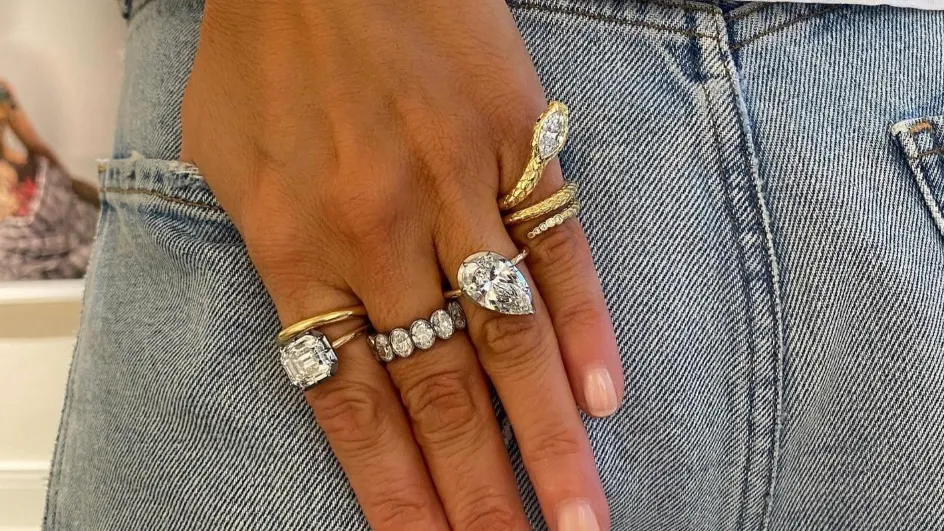
Many people focus only on carat size. Bigger is not always better. A large diamond with weak cut quality may look flat. A smaller diamond with excellent proportions often appears brighter and cleaner. Another mistake is ignoring the setting. The ring design changes how the diamond looks on the hand. Thin bands can make a center stone appear larger. Certain prong styles allow more light into the stone. You should also think about daily use. If the ring will be worn every day durability matters more than trend driven designs. Simple settings are often easier to maintain over time.
The Ethical Question Matters to Many Buyers
Some buyers choose alternatives because they want more control over sourcing. They prefer a product with a traceable origin and reduced environmental disruption. This does not mean every mined diamond follows harmful practices. It means many buyers now ask harder questions before purchasing. That shift has changed the market. Jewelry buyers today research supply chains in the same way people research food electronics or clothing brands. They want information before making a financial commitment. This is one reason lab diamond engagement rings continue to gain attention among younger buyers.
How to Shop Without Getting Overwhelmed
Too many options can create confusion. Online listings often overload buyers with technical details. Start with a clear plan. Decide these points first:
- Your total budget
- Your preferred shape
- Your acceptable size range
- Your setting style
- Your minimum quality standards
Then narrow your search. Round diamonds usually reflect the most light. Oval and pear shapes can make fingers appear longer. Emerald cuts show clarity flaws more easily because of their open surfaces. Do not chase perfect grades unless you can see the difference with your own eyes. For many buyers near colorless grades and eye clean clarity provide the best balance between cost and appearance.
Online Shopping Has Changed the Industry
Years ago buyers depended heavily on local jewelry stores. Today many people compare lab made diamonds online before stepping into a showroom. This gives buyers more control. You can review certificates, zoom into high resolution images and compare pricing across multiple sellers in minutes. You can also read return policies and warranty terms before committing. That said not every seller offers the same quality standards. Pay attention to:
- Independent certifications
- Return windows
- Upgrade policies
- Customer reviews
- Clear stone photography
Avoid listings with vague grading information or edited photos that hide flaws.
Custom Rings Are Becoming More Common
Many couples no longer want standard designs pulled from a display case. Customization allows you to choose:
- Band metal
- Stone shape
- Setting height
- Accent stones
- Engraving details
This approach gives buyers more personal control over the final design. Example: Someone may pair an oval center stone with a yellow gold solitaire band for a cleaner look. Another buyer may choose a hidden halo setting with platinum for extra brightness. Customization is easier today because lower stone costs leave more room in the budget.
What Matters Most After the Purchase
A ring should still look good years later. Regular cleaning helps maintain sparkle. Dirt and oil reduce light reflection over time. Even a high quality diamond can appear cloudy without basic maintenance. Store rings carefully when not wearing them. Hard materials can scratch other jewelry pieces during storage. You should also insure expensive jewelry if replacement costs would create financial stress. The goal is not only to buy well. The goal is to protect the purchase afterward.
Questions Buyers Often Ask
Are lab created diamonds real diamonds?
Yes. They have the same physical and chemical structure as mined diamonds. The main difference is where they are formed.
Do lab diamonds lose sparkle over time?
No. A properly cut diamond keeps its brilliance if it is cleaned and maintained correctly.
Why are lab diamond engagement rings usually cheaper?
Production methods reduce extraction and supply chain costs. This often allows buyers to purchase larger or higher quality stones for less money.