Introduction — Why a Store That’s Temporary Feels Permanent
Have you ever spotted a storefront transform overnight from a mattress shop to a maze of cobwebs, animatronics, and mannequin heads and thought, “Ah — Halloween’s here”? That rush is part of the magic. Spirit Halloween isn’t just another retailer; it’s a seasonal ritual that shows up, sets a scene, and invites entire neighborhoods into a shared, spooky play. In this article I’ll walk you through how a pop-up concept turned into a cultural phenomenon, and why crafters, DIYers, and Halloween lovers keep coming back year after year.
A Brief Origin Story
Every tradition needs a beginning. The Spirit Halloween concept launched as a simple response to a predictable spike in demand: people want costumes, props, and decorations in October — but most stores don’t carry a full seasonal assortment year-round. Enter the pop-up: nimble, dramatic, and perfectly timed. From humble experimental storefronts, the brand grew into a nationwide phenomenon by perfecting timing, theatrical retail design, and an uncanny ability to read the Halloween zeitgeist.
The Pop-Up Model: Why It Works
Scarcity & Urgency
Pop-ups are the retail equivalent of limited-edition candy. When a store is there for weeks, not forever, shoppers feel urgency. That urgency is gold for conversion: people don’t window shop — they commit. For DIYers and crafters, that urgency pairs beautifully with inspiration: a craft kit or a prop that “has to be bought now” quickly turns into a weekend project or a Halloween centerpiece.
Low Overhead, High Impact
From a business standpoint, temporary leases mean lower long-term costs and the flexibility to scale locations every season. From a customer’s perspective, the ephemeral nature of the store makes the experience feel special — like going to a themed pop concert rather than the same old mall.
Merchandise That Speaks to DIYers and Crafters
Props, Masks, and Makeup: Tools of Transformation
The backbone of Spirit Halloween’s appeal is its sheer inventory: full-face masks, prosthetic makeup, fog machines, backdrops, bone-chilling animatronics, and a ridiculous variety of props. For a crafter, each item is raw material — a mask becomes a canvas, a faux bone becomes a pendant, a skeleton arm becomes a lamp.
Kits, Tutorials, and DIY Inspiration
Beyond products, Spirit Halloween often offers kits and quick tutorials (or at least the raw materials) that make advanced effects accessible. You don’t have to be a seasoned prop maker to assemble a haunted-house vignette; with the right kit and a pinch of creativity you can make something memorable in an afternoon.
Community & Experience: The Store as Stage
Interactive Displays and Photo Ops
Walk into a Spirit Halloween store and you’re stepping into a stage set. Displays are designed to be touched, posed with, and photographed. For social media-savvy shoppers and crafters who want to document before/after DIY transformations, these photo ops are free inspiration and free advertising.
Workshops and Local Partnerships
Many community makers and small business owners partner with seasonal stores for workshops, school events, and maker nights. These partnerships put Spirit Halloween at the center of local craft economies — a place where experienced builders share techniques and newbies learn to solder a light into a jack-o’-lantern.
Marketing Magic: From Catalogs to Social Media
Email, Catalogs, and In-Store Flyers
Old school marketing still matters. Catalogs and targeted emails get hobbyists thinking months before October. Craft communities often plan seasonal projects in advance; an early promo can secure you as the supplier for a whole neighborhood’s decorations.
Social Media & Influencers
But the real engine in recent years? User-generated content. Crafters post their Spirit Halloween hauls, time-lapse costumes, and prop builds across TikTok, Instagram, and YouTube. Those posts create a feedback loop: the brand supplies the materials, makers provide the ideas, and millions of viewers get inspired.
Cultural Impact: From Neighborhoods to Pop Culture
The Store as a Seasonal Landmark
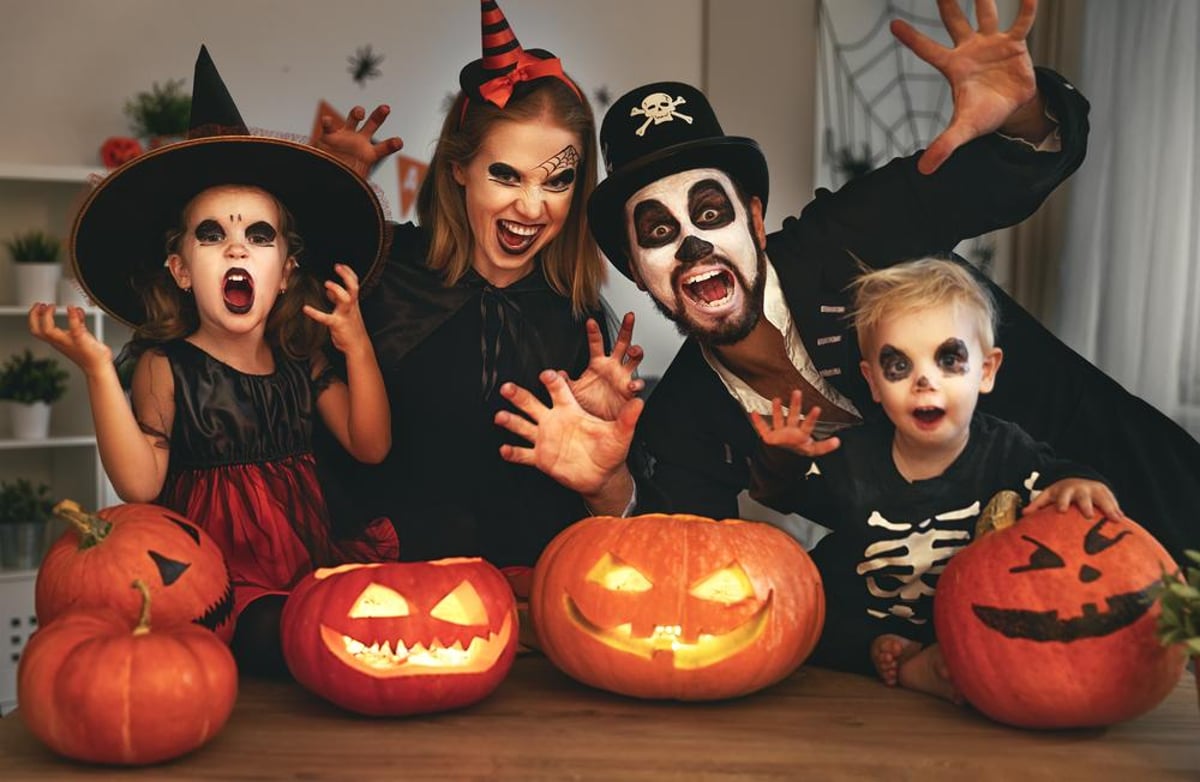
There’s an odd comfort in anticipating the arrival of a Spirit Halloween in your town. It’s like the first frost or the first pumpkin on a porch — predictable, welcome, and slightly thrilling. For many families, a trip to the store is a fall tradition: kids pressing their faces to the window, parents planning group costumes, and teens hunting for the perfect eerie accessory.
In Movies, Memes, and the Holiday Script
You’ll find Spirit Halloween references everywhere — in spooky season reels, meme culture, and even set dressing on film and TV. It’s become shorthand for Halloween’s commercial side that still feels homey and hands-on.
Sustainability & Reuse: Costume Life Cycles
Upcycling Costumes & Props
Good crafters don’t waste. A faux raven can become a wreath accent next year; a tattered sheet can be hand-dyed and re-stitched into a period costume. Spirit Halloween’s wares are often ideal for upcycling because they’re inexpensive, plentiful, and designed to look convincingly aged or magical.
Donation and Buy-Back Programs
Many communities run costume drives and donation programs post-holiday. Responsible shoppers can pass along gently used items to schools, theatres, or charity events — stretching both the life and the value of a purchase.
Retail Lessons for Creatives and Small Makers
Timing, Presentation, and Storytelling
If you’re a maker thinking of launching a pop-up or seasonal product line, there are lessons to steal from Spirit Halloween: show up at the right time (not too early, not too late), present your product as part of a scene (don’t just hang a mask on a peg), and tell a story that invites participation.
Create the Space for the Experience
Even a tiny pop-up benefits from an attention-grabber: a single dramatic prop, a making station, or a themed photo wall. When people can imagine themselves in the story, they buy not just product but participation.
What’s Next? The Future of Seasonal Retail
Seasonal retail isn’t going anywhere — if anything, it’ll get more experiential. Expect more hybrid events (workshops plus shopping), digital try-ons, and augmented reality that lets shoppers visualize props in their homes before buying. For DIYers, that means richer tools and faster inspiration: scan a QR, see a tutorial, and order the exact prop parts you need.
Conclusion
Spirit Halloween made more than a profit model — it created a seasonal theater where families, teens, and makers play, practice, and perform Halloween. By combining scarcity, spectacle, and supplies geared toward creators, the brand became woven into the holiday’s ritual fabric. For crafters and DIY fans, it’s both a hardware store and a creative playground: a place to grab necessary parts, spark an idea, and bring spooky dreams to life. Next time you pass a pop-up box full of foam skulls and string lights, don’t just shop — imagine what you can build.
FAQs
Q1: What makes Spirit Halloween different from a regular costume store?
A1: The pop-up timing, theatrical presentation, and massive array of props and animatronics set it apart. It’s designed to be an experience — not just a shelf of costumes — which helps spark DIY projects and group ideas.
Q2: Can crafters find quality materials at Spirit Halloween for serious prop making?
A2: Absolutely. While some items are prefinished decorations, many are excellent bases for modification — foam masks, faux bones, fabric swags, and lighting elements are all useful raw materials for advanced crafters.
Q3: How can I upcycle Spirit Halloween purchases into year-round decor?
A3: Start by separating components: remove glues and add fresh paint or hardware. A skull becomes a planter, a prop hand becomes a lamp pull, and fabric can be layered or dyed for period garments. Think modular and reworkable.
Q4: Do Spirit Halloween pop-ups offer workshops or community events?
A4: Many locations partner with local makers for demos and workshops. Check local store listings or community boards for pop-up events — and if none exist, consider proposing one!
Q5: How can a small maker replicate Spirit Halloween’s success on a tiny scale?
A5: Focus on a tight window (seasonal or event-driven), create a vivid display, partner with local groups for promotion, and offer hands-on value (kits, demos, or a mini workshop). Storytelling and an Instagram-ready setup go a long way.
.
- Uncover the magic behind Spirit Halloween’s rise from pop-up to cultural icon — where creativity, community, and spooky fun collide! 🎃
- Perfect inspiration for Halloween lovers, DIY crafters, and artsy makers who live for the thrill of the season!