Introduction
Have you ever walked into a Halloween store and felt like you’d stepped into someone’s wildly imaginative dream—only darker, louder, and filled with fake cobwebs? That surge of excitement (and maybe a tiny fright) isn’t accidental. A well-done Halloween Store is part boutique, part haunted-house design lab, part arts-and-crafts studio. In this guide we’ll pull back the curtain and explore how a Spirit Halloween-style setup transforms a simple retail space into a seasonal playground for costume lovers, crafters, and DIY fans.
Why a Halloween Store Feels Like a Theme Park
Think about it: a theme park designs every moment to delight. A Halloween store does the same but in one short, intense season. Lighting, sound, layout, product placement, and staff costuming are all orchestrated to create an emotional journey — from curiosity at the door to the thrill of discovery in the aisles. It’s retail theater, and the star is Halloween.
Planning the Store Layout: Flow, Zones, and Spook Factor
Great stores don’t leave layout to chance. They plan traffic flow so customers don’t just “browse” — they discover.
Entrance & Window Displays — First Impressions Matter
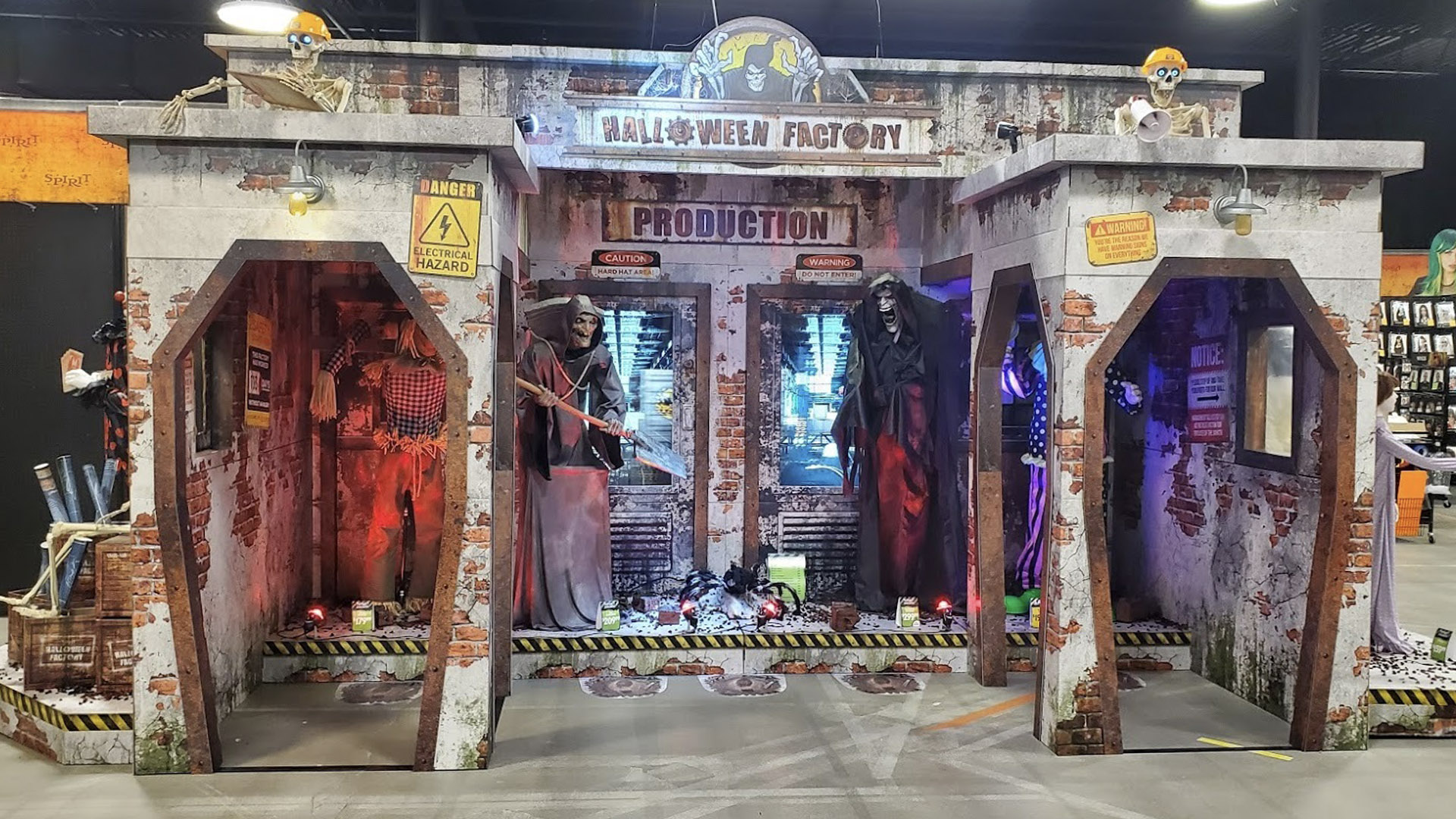
Windows and entrances are the poster for the show. Big animatronics, a clever gag, or a striking mannequin display tells shoppers: “Something fun is inside.” For DIY and arts-and-crafts audiences, consider showing a ‘before-and-after’ DIY vignette — a plain pumpkin vs. an elaborately painted one — to spark ideas.
Main Aisles: Costumes, Accessories, and Impulse Buys
Central aisles feature the biggest sellers: costumes. Nearby racks hold complementary accessories (masks, wigs, makeup), and endcaps push impulse buys — think cheap glow-sticks, temporary tattoos, or mini prop kits. Position impulse items near checkout to boost add-on sales.
Prop & Décor Zone: From Mini to Mega Haunted Scenes
Props deserve their own immersive corner. Small shelves for decor and larger staged “scenes” for big-ticket animatronics let shoppers imagine a full setup. Place lighting and sound controls nearby so customers can see — and hear — how a prop performs.
Inventory Strategy: What Sells and Why
Inventory is a balancing act: forecast the big costume trends and stock reliable classics. For arts-and-crafts fans, offer a range from basic supplies (paints, brushes, glue guns) to specialty items (LED modules, styrofoam skulls).
Costumes: Trends, Sizing, and Merchandising
Follow media trends—hit TV shows or viral memes—while keeping classic categories (witches, vampires, zombies) well-stocked. Clear signage by size and age and helpful mannequin displays showing full looks increases conversion.
Animatronics, Props, and Lighting — The Experience Items
Animatronics are the showroom stars. They are expensive but high-margin and memorable. Showcase them with dimmed lights and soundscapes so shoppers can feel the effect. Offer tiered pricing: small props for hobbyists; large animatronics for enthusiasts or event professionals.
Arts, Crafts & DIY: Sections for Makers and Families
Craft-focused shoppers want kits, tools, and inspiration. Create clearly labeled DIY kits (pumpkin-paint sets, mask-making kits) and a small “try me” table where kids can test non-messy items or take home templates.
Visual Merchandising: Lighting, Sound, and Atmosphere
Lighting sets mood. Sound sets pace.
Lighting Choices: Warm vs. Cold, Spot vs. Ambient
Warm amber lighting softens terrible props and makes costumes look richer; cold blue and green highlight spooky scenes. Spotlights can make a prop feel cinematic. But avoid overpowering strobe effects — they can be off-putting and unsafe for some shoppers.
Sound Design: Background Ambience and Surprise Cues
Subtle ambient music creates tension; isolated scare sounds near bigger props create excitement. Make sure volume zoning is smart so the store never feels chaotic. Sound is a craft: in the right measure it seduces shoppers deeper into the store.
Staffing & Customer Service: Costumed Experts
Staff are both sales associates and actors. A staff member in character who knows which wig pairs with which makeup can turn a shopper into a repeat customer.
Costume Consultants and On-the-Floor Assistance
Offer a “costume consultant” service on busy weekends. Simple advice on fit, layering for cold weather, or product pairing (e.g., “this cape tacks to that mask”) reduces friction and helps customers feel confident.
Safety, Accessibility & Checkout Flow
Seasonal excitement comes with safety obligations. Keep aisles wide enough for strollers and mobility aids, store flammable materials safely, and clearly label tripping hazards (cords from demo props, for example).
Crowd Control, Fitting Rooms, and Returns
Busy weekends need queue plans and perhaps timed fitting room access. Clear returns and cleaning policies for makeup and mask returns keep operations smooth.
Marketing & Community: Events, Socials, and Workshops
A Halloween store can become a community hub during the season. Host mask-making workshops, animatronic demos, or “how-to” nights for home haunt builders. Partner with local schools or maker-spaces to host craft nights.
Workshops for Crafters and DIY Families
Run family-friendly DIY sessions: pumpkin painting, simple animatronic wiring, or prop-painting techniques. These workshops not only sell consumables but also build customer loyalty and social-content fodder.
Sourcing & Sustainability: Materials, Packaging, and Reuse
Consumers increasingly care about materials. Offer sustainably made costumes and clearly label material sources. Sell reusable prop cases or offer a small “trade-in” discount for returning last year’s plastic pumpkins — a win for the earth and your inventory turnover.
How to Upcycle Halloween Props
Include a small display or leaflet with ideas: turn a broken animatronic skull into a planter, or repaint cheap décor for a new look next year. Creatives love reinvention; show them how.
Seasonal Timing: When to Open, Peak Days, and Closeout
Timing is tactical. Many seasonal pop-ups open in late August or early September to catch early planners and last-minute shoppers alike. Peak traffic is usually the two weekends before Halloween and the week leading up to it. Plan for closeout sales after the holiday to liquidate and make room for returns and storage.
Budgeting & Profit Tips for Store Owners
Margin on costumes and animatronics is typically generous; consumables (candies, masks) have lower margin but high turnover. Track best-sellers and don’t be afraid to reorder hot items mid-season. Use promotions to move slow SKUs: bundle a DIY kit with paints and brushes at a perceived discount.
DIY Takeaways: Bring the Spirit Home (Craft Ideas + Tips)
- Choose a focal prop (a big animatronic or inflatable) and build decorations around it like a stage around a lead actor.
- Use layered lighting: a couple of colored LEDs plus a warm lamp will transform a porch.
- Offer one DIY table at your gathering — a simple mask-paint station or a pumpkin-decor bar keeps guests engaged.
Conclusion
A Spirit Halloween-style store is more than a place to buy a costume — it’s an experience designed by retail designers, prop builders, and community-minded staff. For Halloween lovers, crafters, and DIYers it’s a seasonal cathedral: equal parts inspiration and supply closet. Whether you’re hunting for the perfect animatronic, searching for the must-have mask, or pulling together a DIY masterpiece, understanding how the store is put together helps you shop smarter and create more memorable seasonal displays.
FAQs
Q1: What is the best way to find trending costumes early?
Monitor pop-culture — hit shows, blockbuster movies, and viral social media moments. Also check early influencer content and pre-season toy shows. Stock a mix of trending looks and timeless staples like witches and skeletons.
Q2: How can I make my Halloween decorations look more professional without spending a lot?
Layer your lighting (LEDs, spotlights, and candles), use a few high-impact props, and hide cheap items behind more realistic textures (fabric drapes, painted foam). Paint transforms plastic into faux metal or stone quickly.
Q3: What DIY projects are kid-friendly for a Halloween party?
Pumpkin-decor bars, mask-painting stations, and sticker-based mini prop assemblies are low-mess, high-fun choices. Keep glue guns and sharp tools away from kids — use safer adhesives for little hands.
Q4: Are animatronics worth the investment for a home haunt?
If you host large gatherings or want a focal piece, yes — they’re memorable and reusable. For tight budgets, consider refurbishing older units or buying smaller motion-activated props.
Q5: How do Halloween stores handle returns for makeup or masks?
Most shops have hygiene-driven return policies: makeup and some masks often final sale unless unopened. Clear signage and staff communication reduce disputes — always check the return policy before purchase.
- 🎃 Step behind the scenes and discover how a Spirit Halloween Store transforms empty spaces into thrilling wonderlands of costumes, crafts, and creativity!
- 👻 From DIY décor ideas to insider retail magic, this guide reveals the spooky secrets that make every Halloween unforgettable!